Luxury Staging Essentials for Beverly Hills Homes
Is your Beverly Hills home truly showing the lifestyle buyers expect at this level? In a market where presentation influences perceived value, luxury staging is not a nice-to-have. It is a strategic tool that helps you sell faster and protect your price. Here is a concise, design-forward guide to the essentials that resonate with discerning Beverly Hills buyers, plus timeline, budget, and ROI tips so you can plan with confidence. Let’s dive in.
Beverly Hills listings compete on lifestyle and move-in readiness, not just square footage. Buyers expect designer-grade finishes, privacy, and spaces that flow effortlessly for entertaining and everyday living. The right staging demonstrates scale, highlights amenities, and removes any friction from a buyer’s imagination.
Your goal is simple: convey a curated, turnkey experience. That means appropriate furniture scale, layered lighting, thoughtful art and textiles, and outdoor settings that showcase the indoor–outdoor lifestyle. Avoid mass-market choices that lower perceived value.
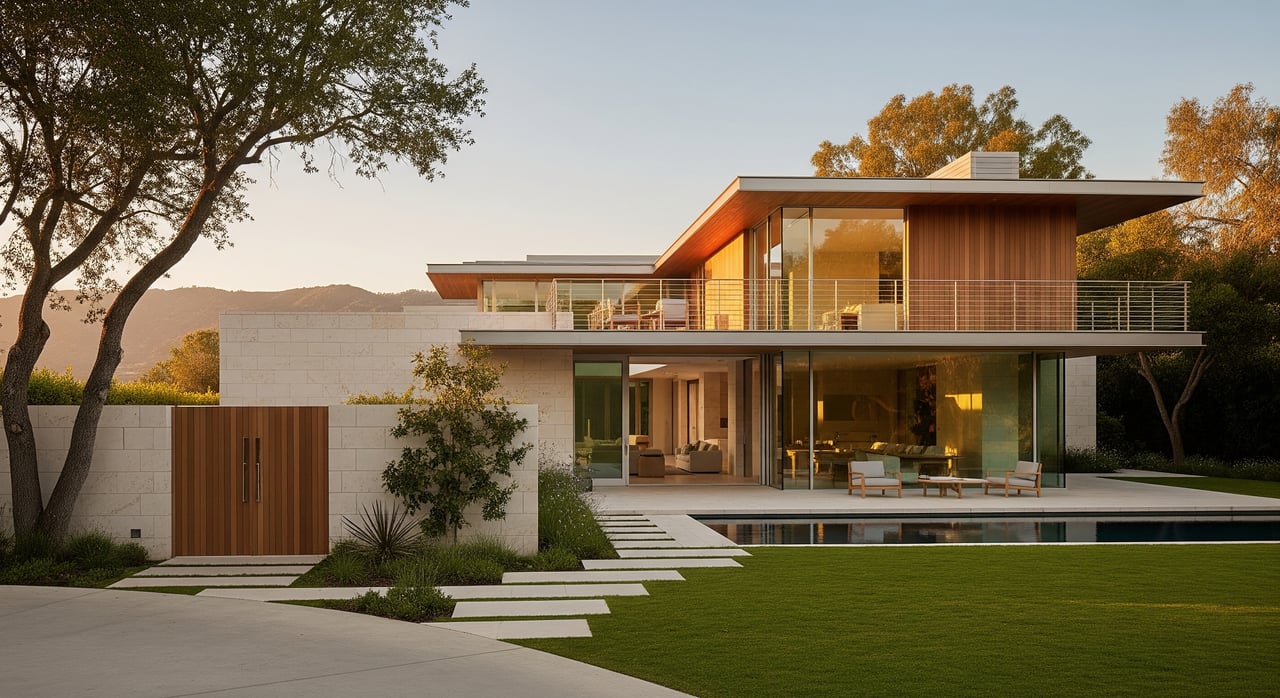
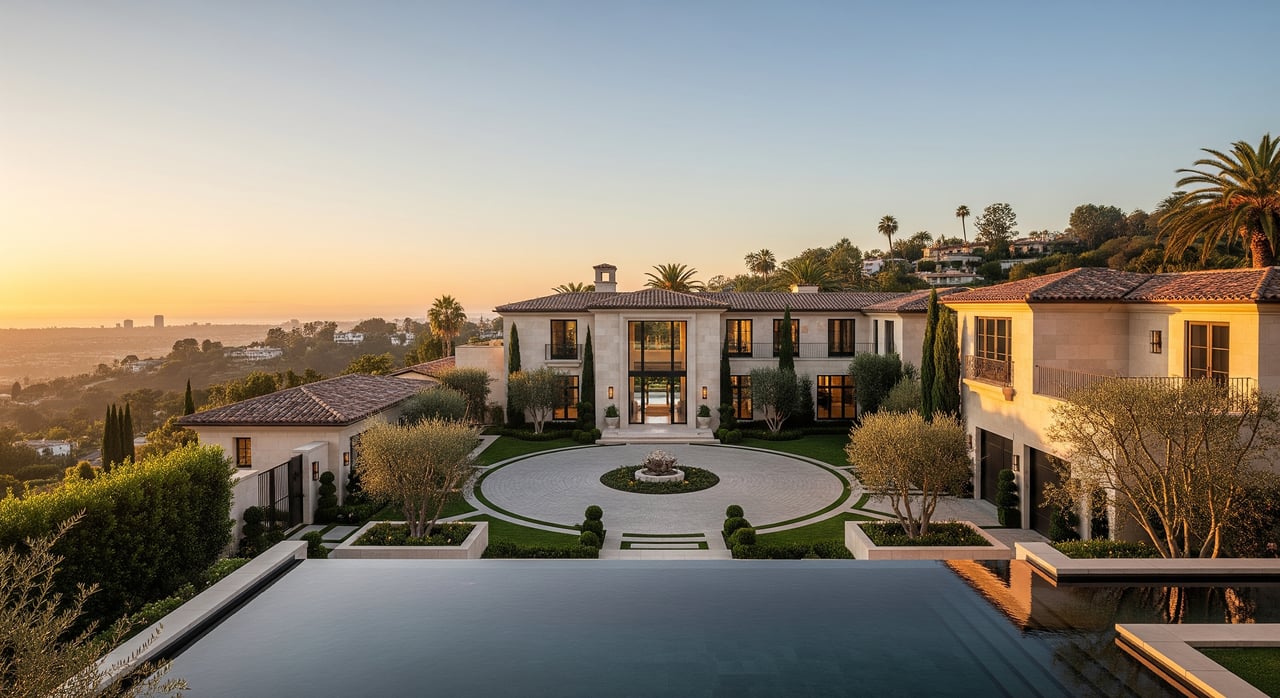
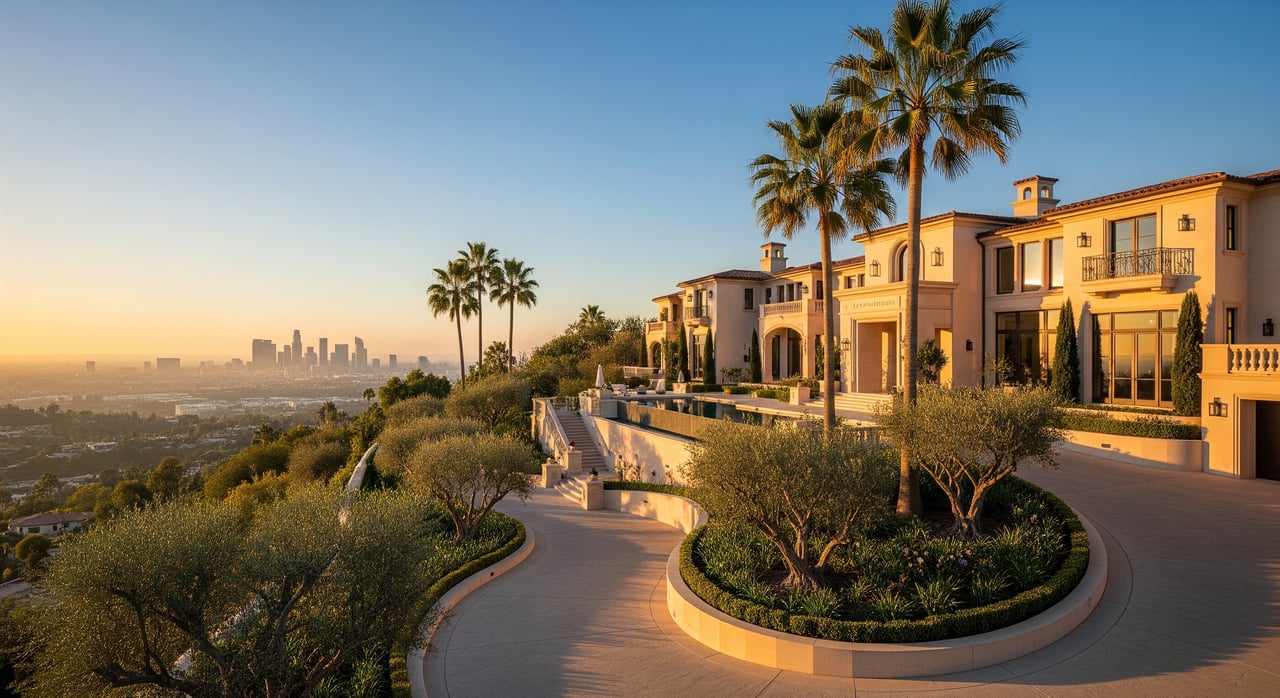
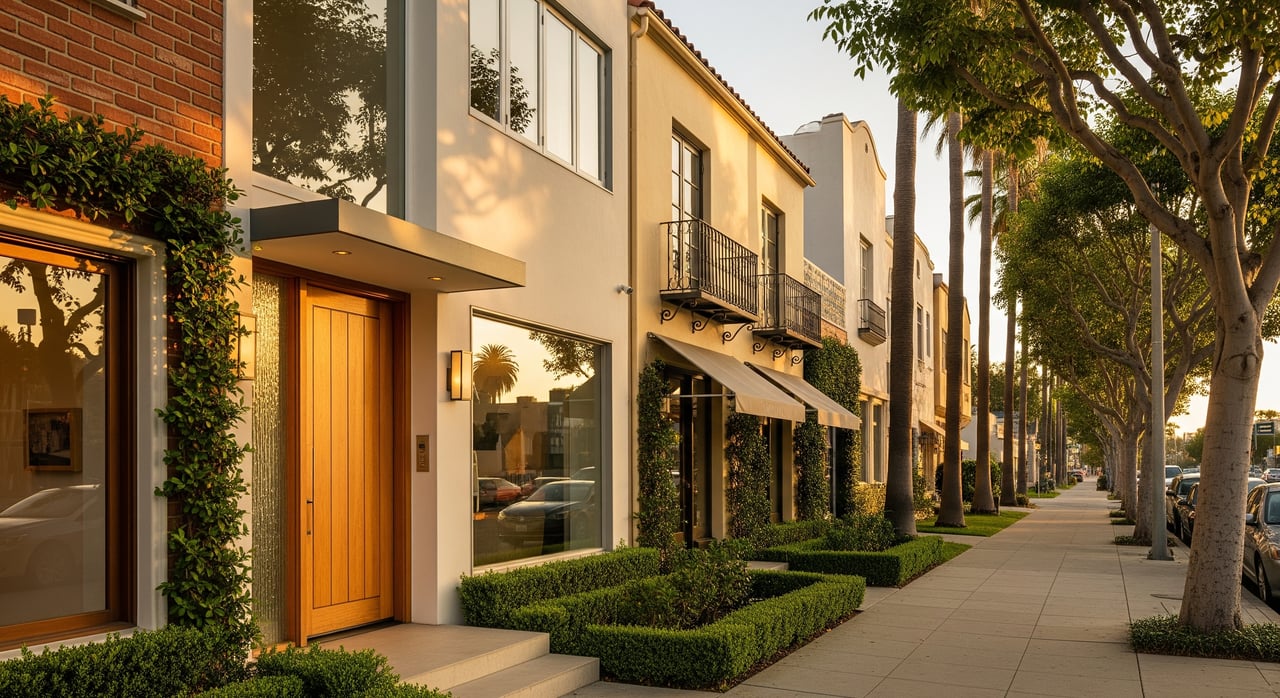
First impressions set the tone for everything that follows. Focus on high-end landscaping and hardscape that read as intentional design. Manicured hedges enhance privacy, while quality pavers and drought-tolerant plantings look polished and practical.
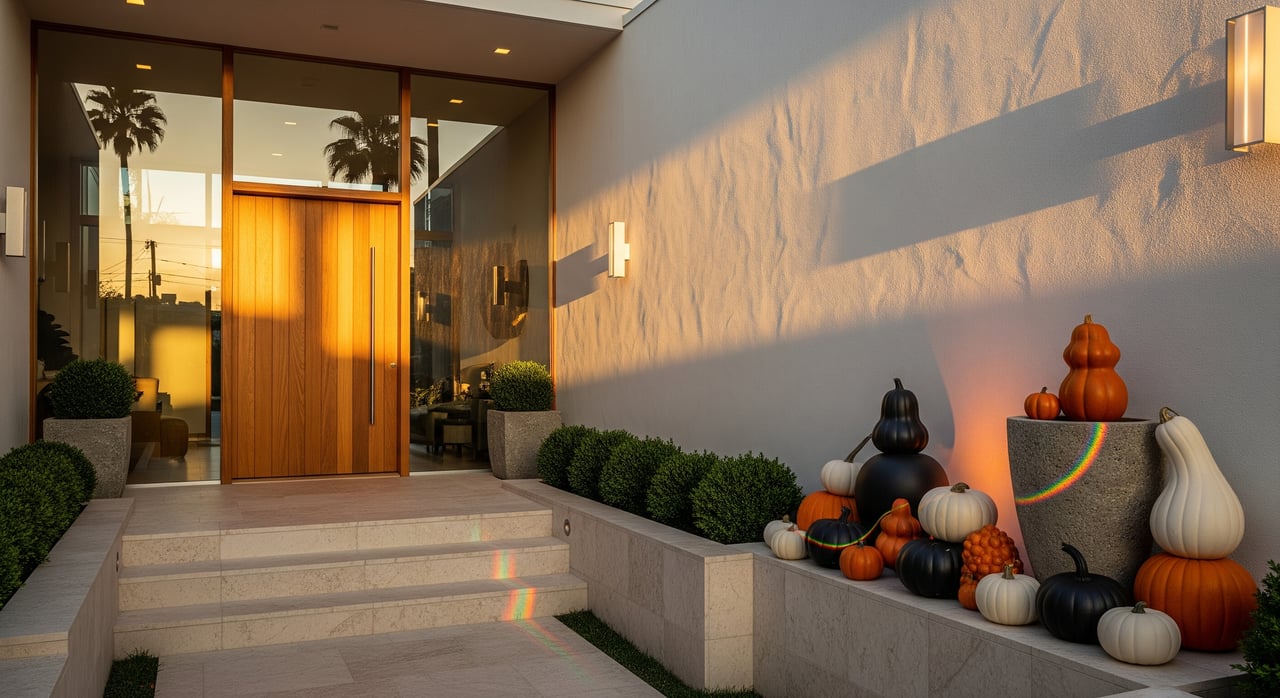
Refine the front entry with a sophisticated door, clean lines, and tasteful planters. Ensure lighting is warm and even. Keep views into the foyer clear to hint at volume and design continuity inside.
Outdoor spaces sell the Beverly Hills lifestyle. Show the pool and spa with resort-level seating, umbrellas or cabanas, and a few sculptural planters. An outdoor kitchen or bar should feel ready for service with minimal, high-quality styling.
In the evening, capture mood lighting for photography. Use seating groups that suggest both intimate gatherings and larger events. Always emphasize sightlines to views and thoughtful privacy.
Set the design narrative the moment a buyer walks in. Choose a statement light fixture and one or two dramatic pieces to communicate scale. Keep furnishings minimal so you protect clear sightlines to the main entertaining spaces.
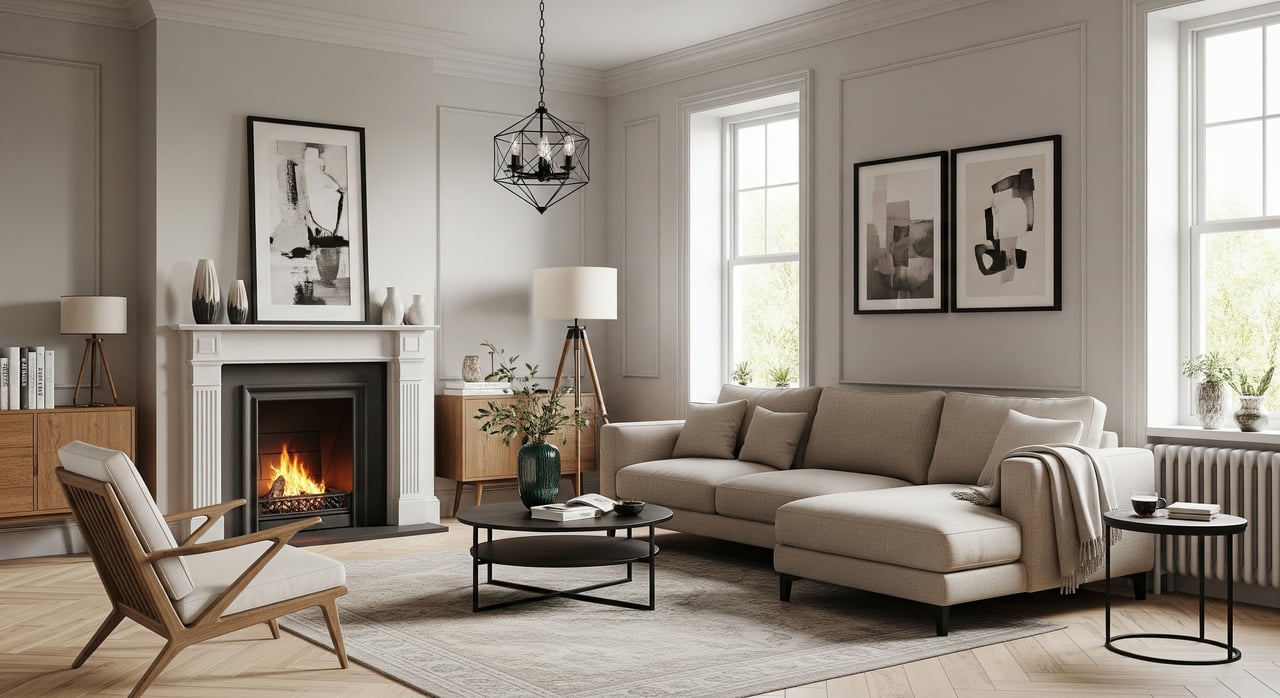
Arrange circulation to lead the eye toward views, a fireplace, or an architectural focal point. Avoid clutter that interrupts the flow.
Large rooms require appropriately scaled pieces. Use high-quality sofas, ottomans, and an area rug that anchors the zone. Layer lighting with a chandelier, sconces, and task lamps on dimmers to set the mood.
Curate art and luxe textiles like silk, wool, or velvet. Style surfaces with restraint so the room feels comfortable and sophisticated. The goal is inviting, not overly decorated.
Stage a formal table to show capacity for hosting, or demonstrate flexibility with a modern layout that can swing casual or formal. Use high-end tableware and linen sparingly so the room feels elegant without gimmicks.
Keep circulation around the table clear and balanced. Lighting should flatter the setting and photograph beautifully.
The kitchen must read as chef-quality. Stage professional-style appliances to show function. Keep countertops clear with a few curated items like premium cookware or olive oils.
If fixtures or hardware show wear, address them before photography. Pay attention to lighting, backsplash condition, and cabinet touchups so the space feels pristine.
Present the primary suite like a private hotel. Style the bed with hotel-quality bedding, layered pillows, and a bench at the foot. Nightstands should be simple and elegant.
In the bath, create a spa-like mood with fluffy towels and polished fixtures. Keep toiletries to a minimum. Organize walk-in closets with consistent hangers, folded linens, and a few designer pieces to signal practical luxury.
Assign a clear purpose to each room. Consider a guest suite, home office, or gym based on your likely buyer profile. This adds perceived utility for high-net-worth households.
Keep décor elevated but neutral so different uses are easy for buyers to imagine. Consistency across rooms supports a cohesive story.
Highlight secondary features that can set your home apart. Stage home theaters with plush seating and minimal clutter. Illuminate wine rooms to showcase scale and display quality.
Wellness areas like a gym, spa, or sauna should feel complete and functional. These rooms reinforce the experience-driven lifestyle buyers prioritize.
Buyers at this level notice craftsmanship. Invest in custom-grade lighting and ensure every switch and dimmer works smoothly. Replace or polish hardware and faucets where needed.
Curate art that supports scale and color while remaining broadly appealing. Avoid personal or controversial pieces so the focus stays on the home.
Demonstrate installed smart home systems such as lighting controls, automated shades, and AV. If security and privacy features are present, make them visible without oversharing sensitive details.
Provide a concise information sheet with brands, installation years, and any service contracts. Sophisticated buyers value clarity and ease of operation.
Professional visuals are your first showing. Schedule interior photography after final styling, and plan separate twilight sessions to capture outdoor living at its best. Drone imagery helps communicate lot context, sightlines, and privacy.
Interactive 3D walkthroughs and floorplans help remote and international buyers understand scale. If you use virtual staging, follow local rules and disclose edits as required.
A smooth process reduces days on market and stress. Plan for:
Build in buffer time for specialty rentals or hillside delivery logistics.
Luxury staging costs scale with property size, curation level, specialty pieces, and rental duration. Expect a range from several thousand dollars to tens of thousands for very large or highly curated homes. Include furniture and art rentals, styling fees, insurance, and professional photography or video.
Measure success with hard metrics. Track days on market before and after staging or compared to similar unstaged listings. Note sale price relative to list and comps, as well as the number of qualified showings and buyer feedback. Strong marketing visuals amplify staging ROI.
Vet staging partners with a portfolio of Beverly Hills and Los Angeles luxury properties. Ask for before-and-after examples at similar price points. Confirm insurance, references, and written contracts that detail duration, delivery, and damage policies.
Assess inventory depth and access to high-end furniture and art rentals. For hillside or view properties, verify delivery capabilities and install experience. Discretion and privacy practices matter for high-profile clients.
If you use virtual staging or image edits, confirm the local MLS rules for disclosure. Be mindful of copyright and licensing for any artwork that appears in marketing materials.
Clear compliance protects your listing and avoids delays.
Design tastes have shifted toward warm modern and quiet luxury. Think neutral palettes layered with rich textures and quality materials. Biophilic touches and indoor–outdoor continuity read as timeless, not trendy.
Sustainable choices, from drought-wise landscaping to energy-conscious systems, can add appeal. Above all, focus on experience over maximalism. Curated spaces that imply a refined lifestyle tend to win.
Ready to position your Beverly Hills home for a superior result? Schedule a confidential consultation with Unknown Company to plan a discreet, design-led staging and marketing strategy tailored to your property.
Stay up to date on the latest real estate trends.